
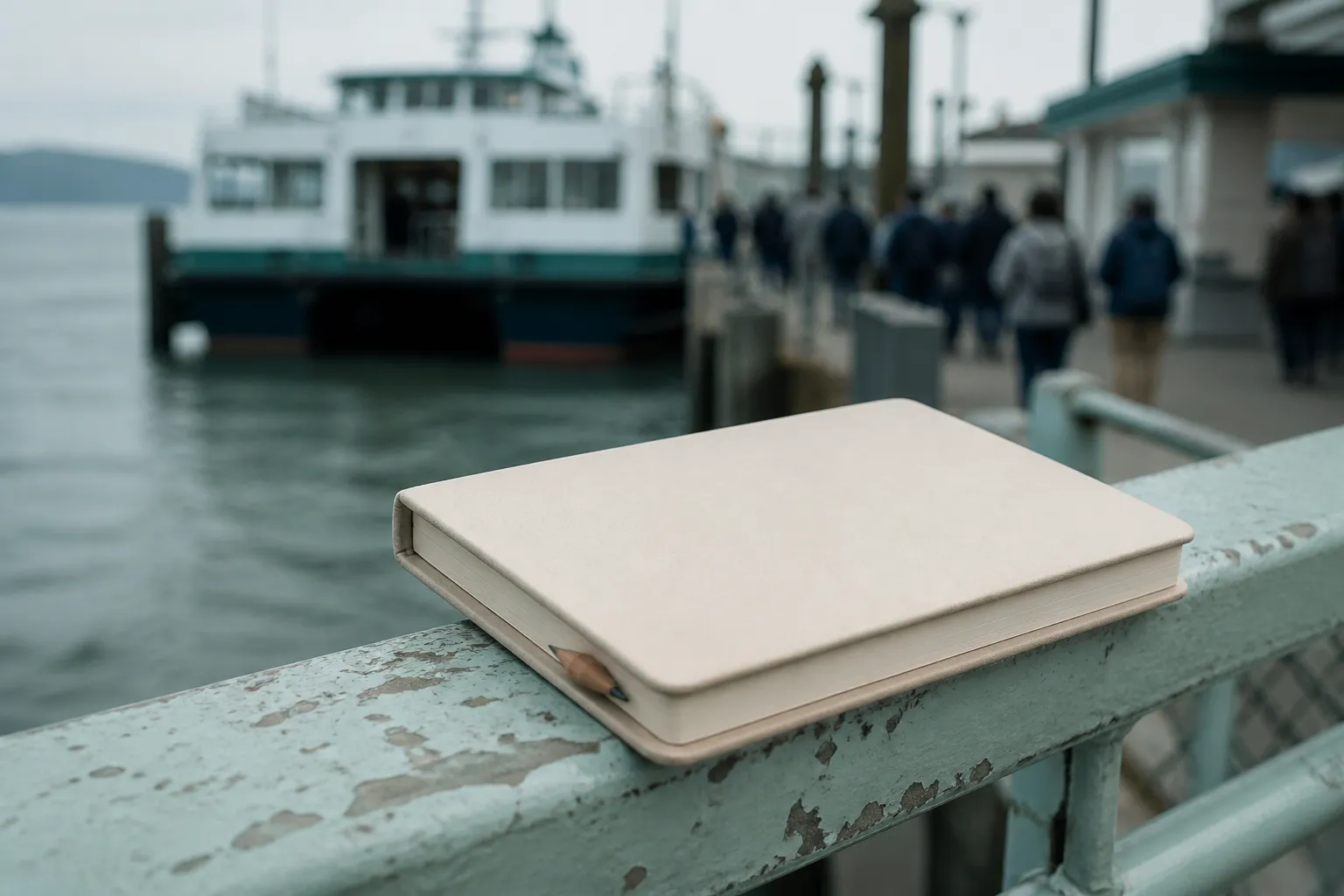
About gabbroidic
We write about the part of a trip that timetables control — the queue, the ramp, the deck, and the hour after you land.
gabbroidic began when three of us kept answering the same question from friends: not where to go, but how to move through a ferry slip without losing the day. The site is our shared notebook from repeat crossings, turned into briefings and one-to-one consultations for anyone who treats the water leg as a place, not a connector.
Why the project stayed on the water
Most travel writing stops at the scenic pier. We stay for the second hour, when the line forms and the rules appear.
A gap between the ticket and the ramp
Ferry bookings look finished online: a time, a vessel name, a barcode. On the ground the same sailing behaves like a small event with its own choreography — separate gates for foot and vehicle traffic, a hold for bags, a crew member who closes the ramp while people are still fifty metres away. Friends kept arriving with tickets and no sequence. They stood in the wrong lane, missed the cut-off, or spent the crossing on the windy side because nobody told them the lee rail fills first.
We did not set out to build a directory of ports or a booking service. We wanted a place that explains the order regular passengers already know: when to reach the slip, what to ask before you commit, how to behave so the crew can work, and what to do when wind deletes the timetable. That narrow focus is deliberate. A crossing is short, but it can rearrange everything that follows.
What we chose not to promise
gabbroidic is not a weather forecast, a medical guide, or a guarantee of calm seas. We do not sell tickets and we do not run a live tracking app. We ride sailings, take notes, compare layouts, and translate what we see into steps a first-timer can follow without improvising at the ramp. When conditions are rough, we say so. When a port sits far from the town on the map, we build that transfer into the plan instead of treating arrival as the finish line.
The name stays a placeholder until the site finds its permanent home, but the work is already consistent: one theme, one tone, one obligation to describe the crossing as it runs on an ordinary weekday — not only on the postcard afternoon when the deck is half empty and the light is kind.
How we gather and check a briefing
Every published note passes through the same field routine before it reaches you.
Observation first, wording second
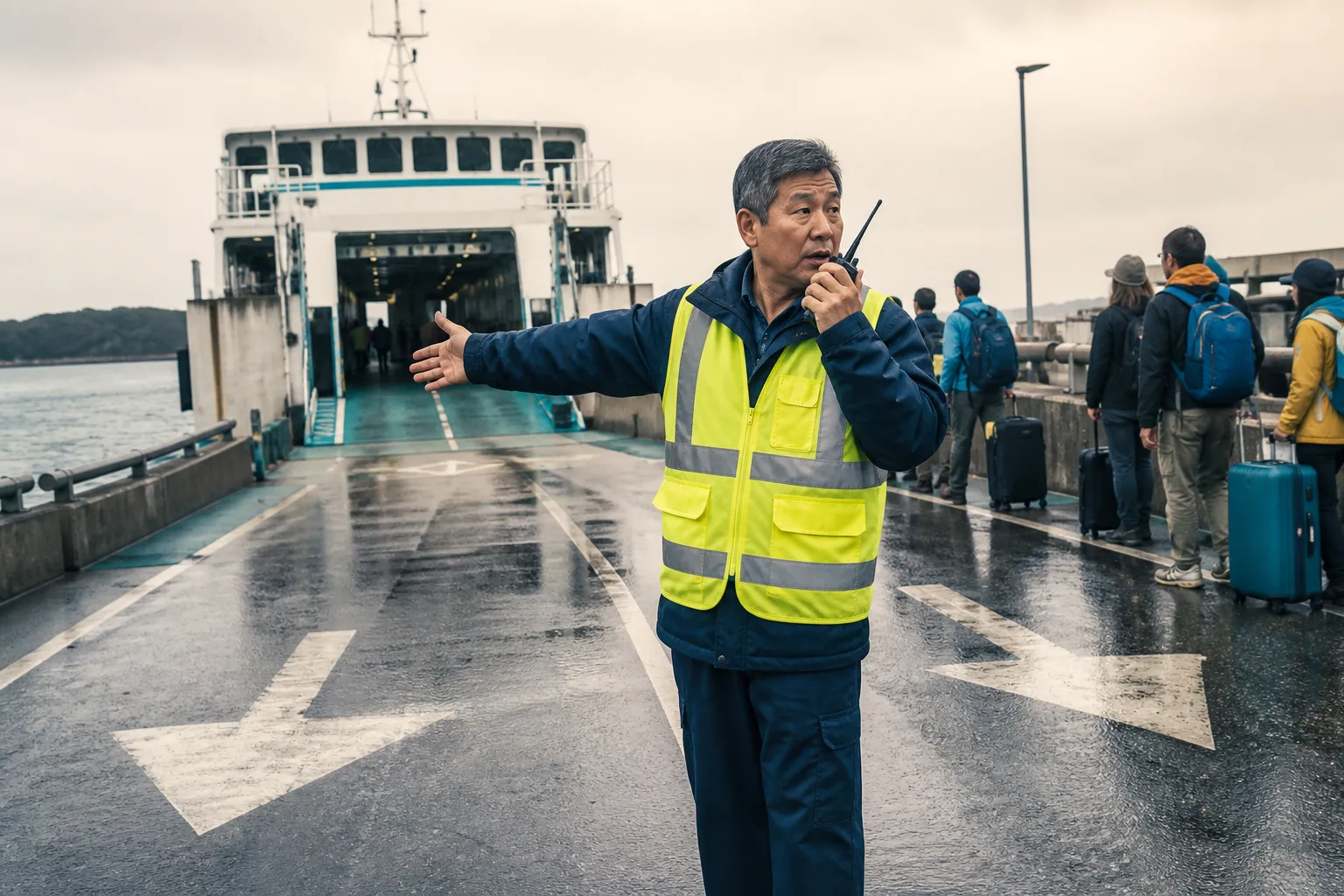
We start on the slip, not in a template. One of us rides the sailing as a walk-on passenger with a timed checklist: when the gate opens, how long registration takes, where bags are tagged, which side locals choose, and whether the posted departure matches the moment the ramp lifts. Vehicle crossings get a parallel pass — where cars stack, when passengers must leave the cabin, and which stairwell leads to the deck most people actually use on exit.
Notes are dated by crossing, not by publication mood. If two visits disagree — a kiosk closed on the second trip, a substitute boat with a different deck plan — we record both and explain the variance instead of smoothing it away. Screenshots of operator pages are kept, but they never replace what happened at the rail.
Review before release
A second reader checks every outline for gaps: Did we say which door people use on arrival? Did we mention the outdoor waiting area when the terminal has no roof? Did we warn that the last sailing is often full in season? Names of operators stay generic in articles so the advice travels; in consultations we can go specific once you share your booking. Nothing goes live because it reads well — it goes live because it survived another crossing.
From first message to a usable crossing plan
Consultations follow a fixed rhythm so you know what arrives and when.
-
You describe the water leg
We ask for the sailing type — walk-on, vehicle, or mixed — plus how many people travel, what you are carrying, and what must happen in the hour after landing. If you already have an operator name and a rough timetable, send it. If you only know that a channel must be crossed, that is enough to start. We do not need a full itinerary; we need the segment where the timetable can say no.
-
We map the sequence
Using our field notes and your constraints, we draft an ordered list: when to leave for the slip, which lane to join, what to keep in hand, where to stand if the salon is full, and how much buffer to leave before the next bus or meeting. Vehicle plans include where you reunite with the car on arrival. If your sailing is a first crossing, we scale the plan down — daylight, short hop, room to miss one boat without collapsing the week.
-
You receive a written outline
The deliverable is plain language: steps, questions to ask at the ticket window, and a short if-cancelled branch. We flag anything you must confirm with the operator because gates move. We do not embed live links to tools we do not control; we tell you what to verify on the day. Revisions focus on timing and baggage, not on rewriting the trip you already chose.
-
After you travel, we update the notebook
If you write back with what differed — a new queue mark, a changed hold, a substitute vessel — we fold that into our archive so the next reader benefits. That feedback loop is why the site stays small and deep instead of wide and vague. Your crossing becomes part of the evidence, always anonymised in public articles.
Travel ethics on a working slip
A ferry terminal is not a backdrop. It is someone’s daily commute, cargo run, and weather gamble.
The queue looks chaotic only until you notice who is buying time and who is buying space. Respect both, and the crossing stops punishing you for being new.
How we ask visitors to behave
Local passengers often carry groceries, tools, or school bags they need at the other side. We tell readers to keep aisles clear, to ask before filming crew at work, and to treat the open deck as shared space — not a private viewing platform. Loud phone calls belong where the wind already covers them. If a marshal moves you, the answer is yes before the question is finished; they are managing weight, sightlines, and seconds until the ramp rises.
Photography should avoid faces at close range and never block a safety path. On vehicle decks, pedestrians stay inside marked walkways. We also caution against treating crew as tour guides mid-docking: their attention belongs to the vessel. Politeness here is practical — the same people may remember you on the return sailing.
Finally, we discourage comparing one community’s slip to another’s as if one were backward. Queues encode local habit. Our job is to decode them without ridicule, and to leave the place as workable for residents after the season rush passes.
Partners we cite and how we choose them
We name a few outside groups when their work sharpens a briefing. None of them speak for gabbroidic.
- Harbor Passage Study Group
- A volunteer network of coastal observers who share anonymised boarding times and gate changes. We cite them when comparing how different slips handle the same wind delay. We join their seasonal review calls but publish our own conclusions.
- Open Channel Archive
- A small library of scanned timetables and terminal maps donated by retired deckhands. We use it to spot layout shifts on older vessels still in service. Material is referenced in articles only when a current crossing confirmed the detail.
- Coastal Deck Institute
- An independent workshop that trains maritime staff in passenger flow, not a certifying authority for travellers. We mention their public checklists when explaining why some crews mark standing zones differently. We do not imply endorsement in either direction.
- How we decline a partnership
- We refuse paid placement, affiliate ticketing, and any agreement that requires us to soften cancellation or crowding facts. If a group wants its logo on the site, the answer is no. If it wants to correct a factual error in our notes, the inbox is open. That line keeps the briefings readable as field work, not as an advertorial deck.
Ask about your crossing
Tell us whether you are on foot or in a vehicle, what you are carrying, and how tight the connection is after landing. We will say plainly if a consultation fits or if a short article on the site is enough for now.
Request a ConsultationRead the field notes
Articles walk through one decision at a time — early arrival, deck side, cancelled sailings, and the first walk-on hop. Each piece is written to stand alone so you can open the one that matches tomorrow’s slip.
Learn MoreRead this before you treat a page as a plan
gabbroidic provides information and briefings about passenger water crossings. The materials on this site are meant to help you understand how boarding, decks, bags, weather, and landing connections typically work, and to support consultations about that part of a trip. They are not a substitute for the operator’s current instructions, for local rules on the day you travel, or for professional advice outside our field.
We do not describe sea air, motion, or time on deck as a health treatment. Questions about wellbeing, motion sickness, pregnancy, disability access beyond what an operator publishes, or any medical contraindication belong with qualified specialists. A travel briefing cannot assess those issues and should not be asked to.
Conditions change between sailings. Timetables are rewritten, vessels are substituted, gates move, and a slip that had a roof last season may not have one now. Arrival ports often sit outside the settlement you named in the itinerary. Confirm times, baggage rules, vehicle cut-offs, and connections directly with the operator and with the next carrier before you leave home, then again on the day.
You remain responsible for the choices you make: which sailing you book, how much slack you leave, whether you travel with a vehicle, and what you do if the boat is cancelled. gabbroidic can prepare you for those decisions. We cannot take them for you, and we cannot guarantee that a crossing will run, that a deck will have a seat, or that a connection after landing will still exist when you step onto the ramp.