Articles

One decision per piece — written after riding the slip, not before booking the ticket.

These notes answer the questions that timetables skip: how early to stand in line, which rail locals choose, what to do when the sailing disappears from the board, and how to keep a first crossing small enough to learn from. Open the article that matches the part of the trip you are planning next.

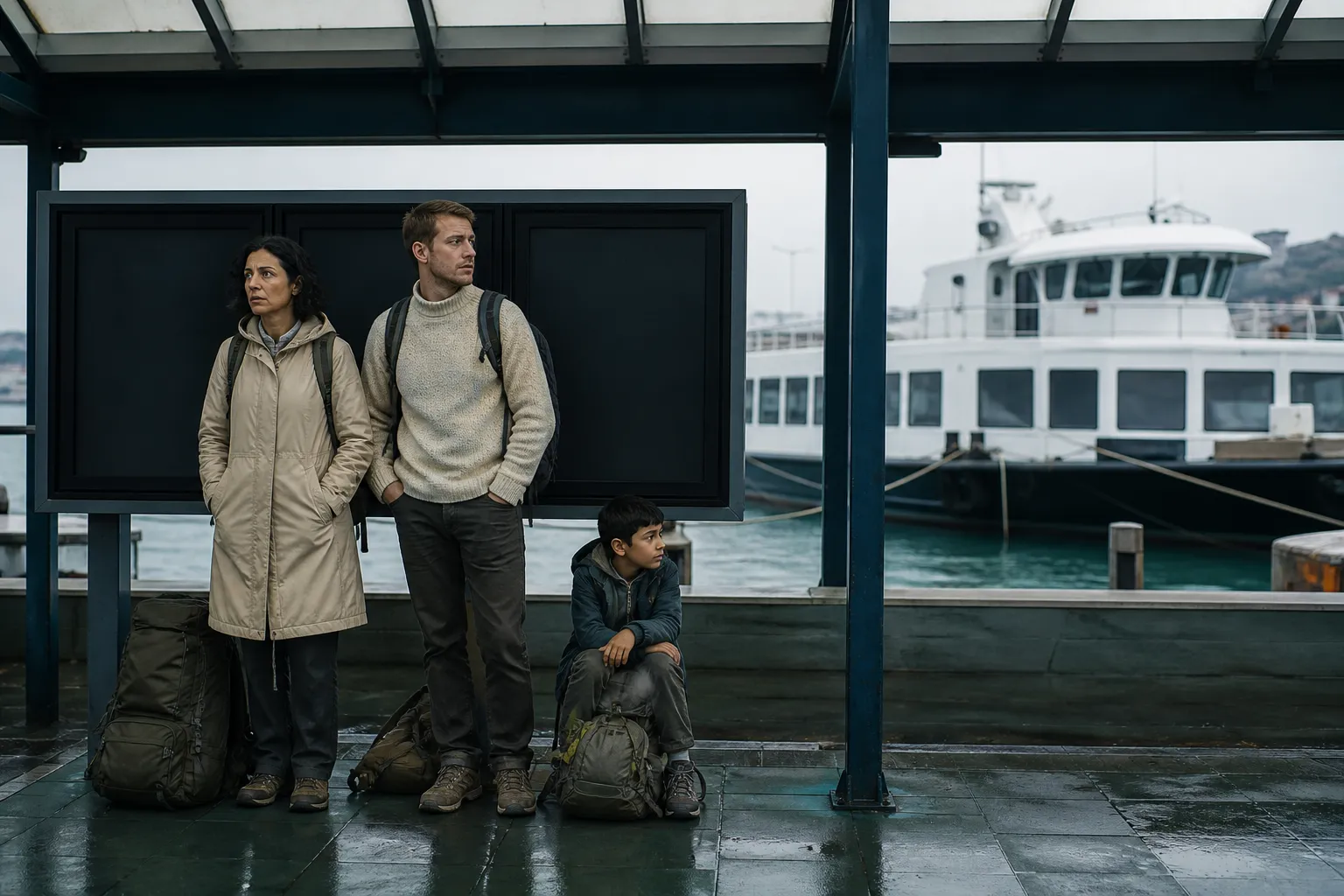
Passengers waiting under a simple metal canopy at a ferry terminal, day packs at their feet, timetable board glowing in the background and a tied vessel visible through the pillars, 1920x1080

Latest field notes

Newest first. Each article stands alone; read one or read them in any order that matches your crossing.

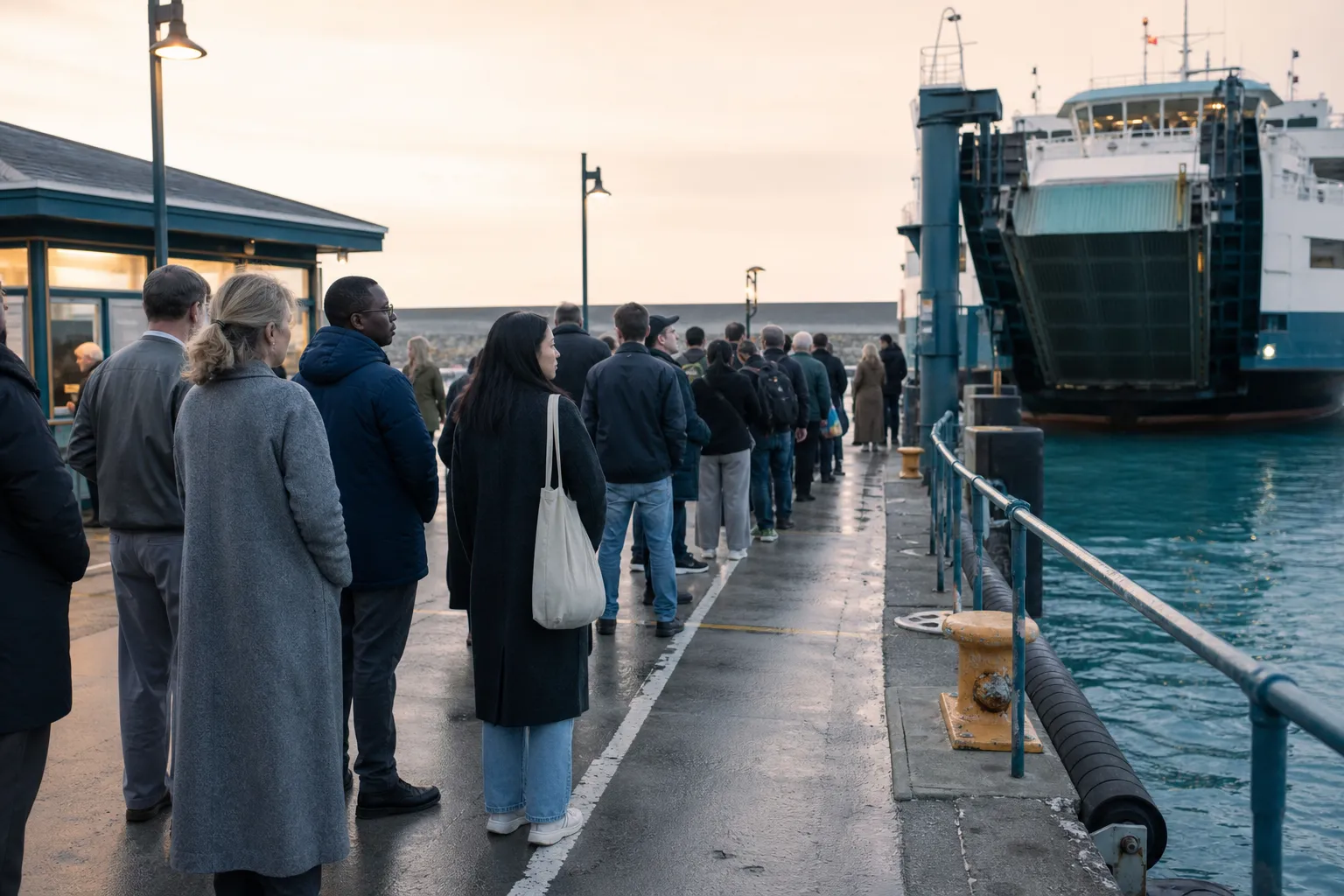
Early morning queue at a ferry slip, passengers in coats standing behind a painted line, ticket kiosk lights on and the vessel ramp still raised, 1200x800
5 min read Mara Ellison

How Early to Reach the Ferry Slip

The cut-off is not the departure time on your screen. It is the moment the ramp lifts — and that moment arrives earlier than most first-timers expect. This piece walks through what to do in the forty minutes before boarding on a busy walk-on sailing.

Read Article
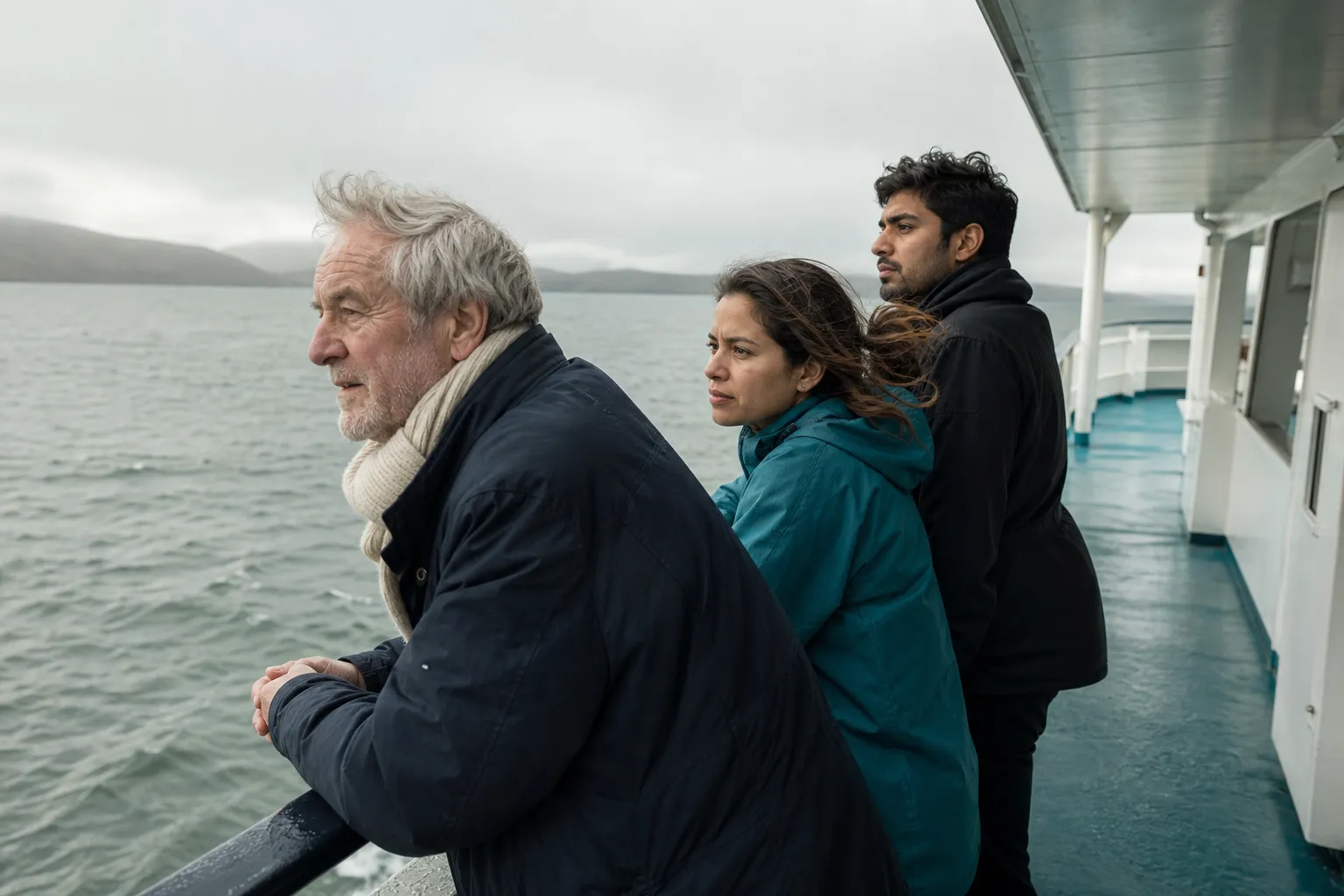
Passengers leaning on the leeward rail of an open ferry deck, jackets zipped against spray, land visible low on the horizon and the windward side nearly empty, 1200x800
6 min read Jonah Calder

Choosing Deck Side Before You Board

Locals often pick the dull side — lee rail, back row, no view. Visitors take the postcard angle and then cannot hold a cup. Learn how wind, docking direction, and spray decide where to stand before you climb the ramp.

Read Article
Ferry departure board with one sailing marked cancelled in red text, a handful of passengers reading the display under a bare bulb, wet pavement reflecting the lights, 1200x800
4 min read Nia Whitfield

What to Do When a Sailing Is Cancelled

Cancellations often appear with little warning and no apology. This article lays out a calm sequence: confirm the next sailing, protect your connection after landing, and keep the rest of the day movable without inventing a crossing the crew already refused.

Read Article
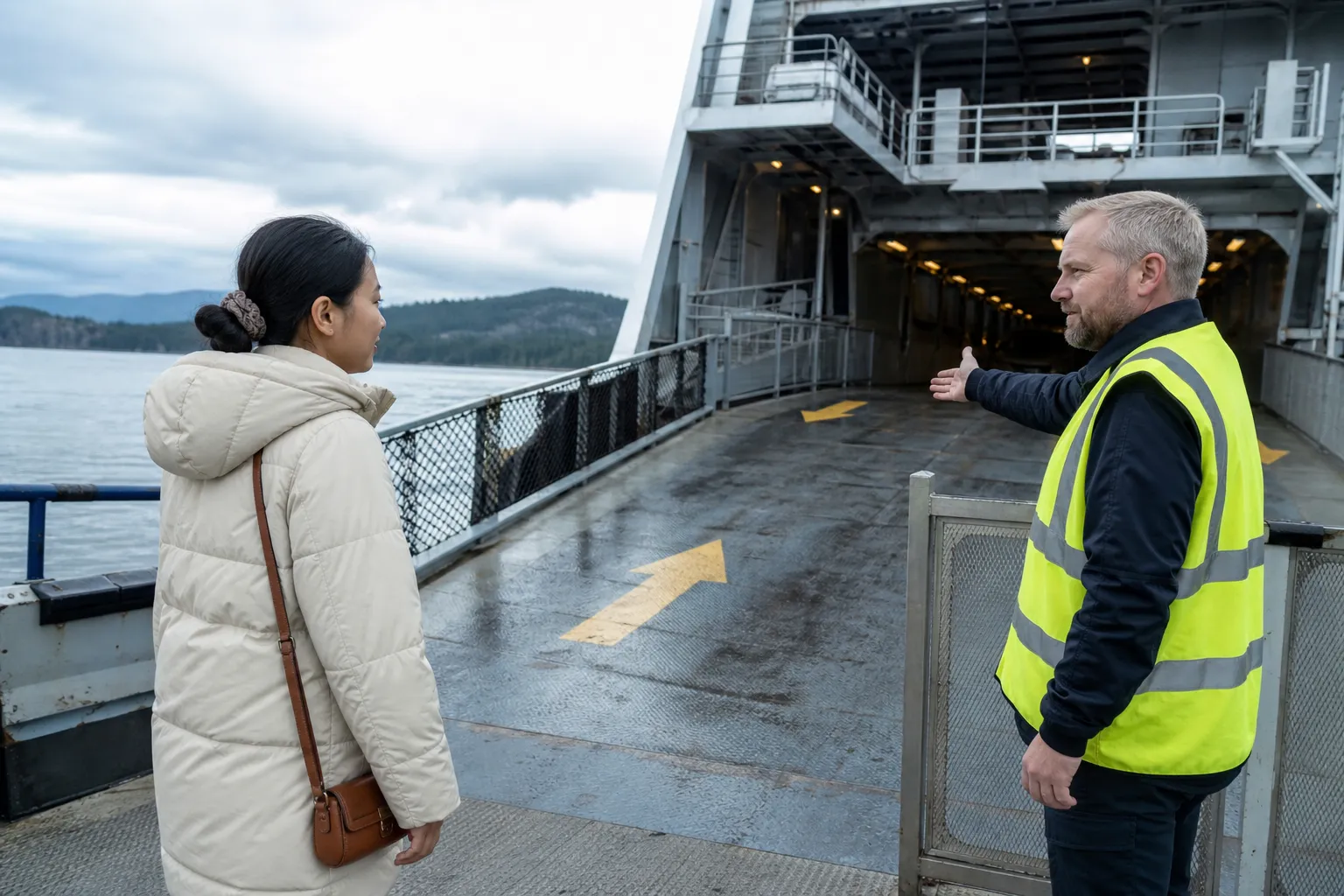
First-time walk-on passenger at the foot of a ferry ramp holding a small shoulder bag, painted arrows on the deck and a crew member gesturing toward the pedestrian gate, 1200x800
5 min read Mara Ellison

Planning Your First Walk-On Crossing

Start with daylight, a short hop, and a plan you can miss once without undoing the week. The article builds a rehearsal crossing: what to pack in hand, which questions to ask at the window, and how to leave room after arrival for the transfer nobody puts on the ticket.

Read Article

Need the sequence for your sailing?

If your crossing includes a vehicle, a tight connection, or a first trip with children, send the details. We will tell you whether an article covers it or a consultation would save you a wasted hour at the slip.

Contact Us

Who writes these notes

The articles come from the same field routine described on our About page: ride, note, compare, publish. Meet the editorial method, the consultation flow, and the partners we cite when they sharpen a briefing.

Learn More

Read this before you treat a page as a plan

gabbroidic provides information and briefings about passenger water crossings. The materials on this site are meant to help you understand how boarding, decks, bags, weather, and landing connections typically work, and to support consultations about that part of a trip. They are not a substitute for the operator’s current instructions, for local rules on the day you travel, or for professional advice outside our field.

We do not describe sea air, motion, or time on deck as a health treatment. Questions about wellbeing, motion sickness, pregnancy, disability access beyond what an operator publishes, or any medical contraindication belong with qualified specialists. A travel briefing cannot assess those issues and should not be asked to.

Conditions change between sailings. Timetables are rewritten, vessels are substituted, gates move, and a slip that had a roof last season may not have one now. Arrival ports often sit outside the settlement you named in the itinerary. Confirm times, baggage rules, vehicle cut-offs, and connections directly with the operator and with the next carrier before you leave home, then again on the day.

You remain responsible for the choices you make: which sailing you book, how much slack you leave, whether you travel with a vehicle, and what you do if the boat is cancelled. gabbroidic can prepare you for those decisions. We cannot take them for you, and we cannot guarantee that a crossing will run, that a deck will have a seat, or that a connection after landing will still exist when you step onto the ramp.